
 4.8 Google Rating out of 7K Reviews
A personal story of catastrophic loss, post-traumatic amnesia, and the slow, powerful truth that healing is possible
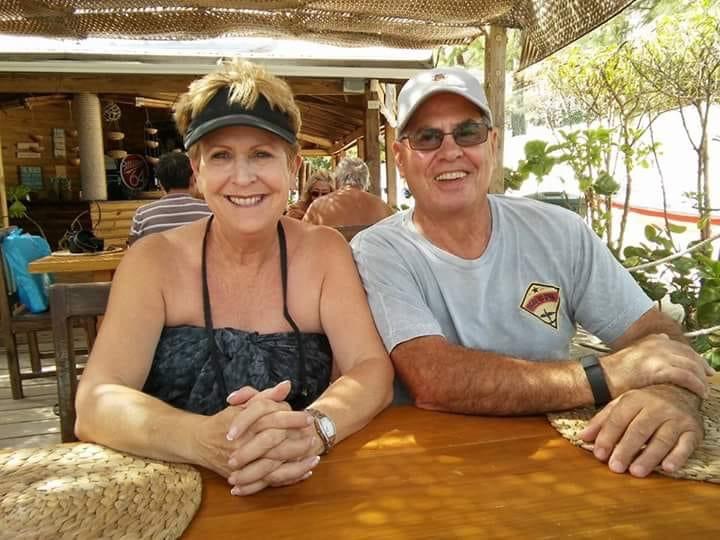
Because it’s National Brain Injury Awareness Month, I wanted to share our story for the families living through the fear, uncertainty, and exhaustion of traumatic brain injury right now. Six years ago, my mother survived a catastrophic motorcycle accident and a traumatic brain injury that doctors believed would leave her permanently unable to function independently. Today, she is walking, talking, driving, golfing, managing her household, and living a full life. She is not unchanged, and recovery has not been easy, but she is here. If you are in the middle of this kind of fight, please know that progress is possible.
This story is about the reality of traumatic brain injury—not just the initial trauma, but the weeks, months, and years that follow. It’s about memory loss, confusion, fear, repetition, exhaustion, and the long, uncertain road back. It’s about recovery that is rarely quick, clean, or predictable, and progress so slow that people around you may start to believe it isn’t happening at all. Most of all, it’s about what it truly takes to survive a brain injury, what therapy and persistence can make possible, and why no one should ever be written off too soon.
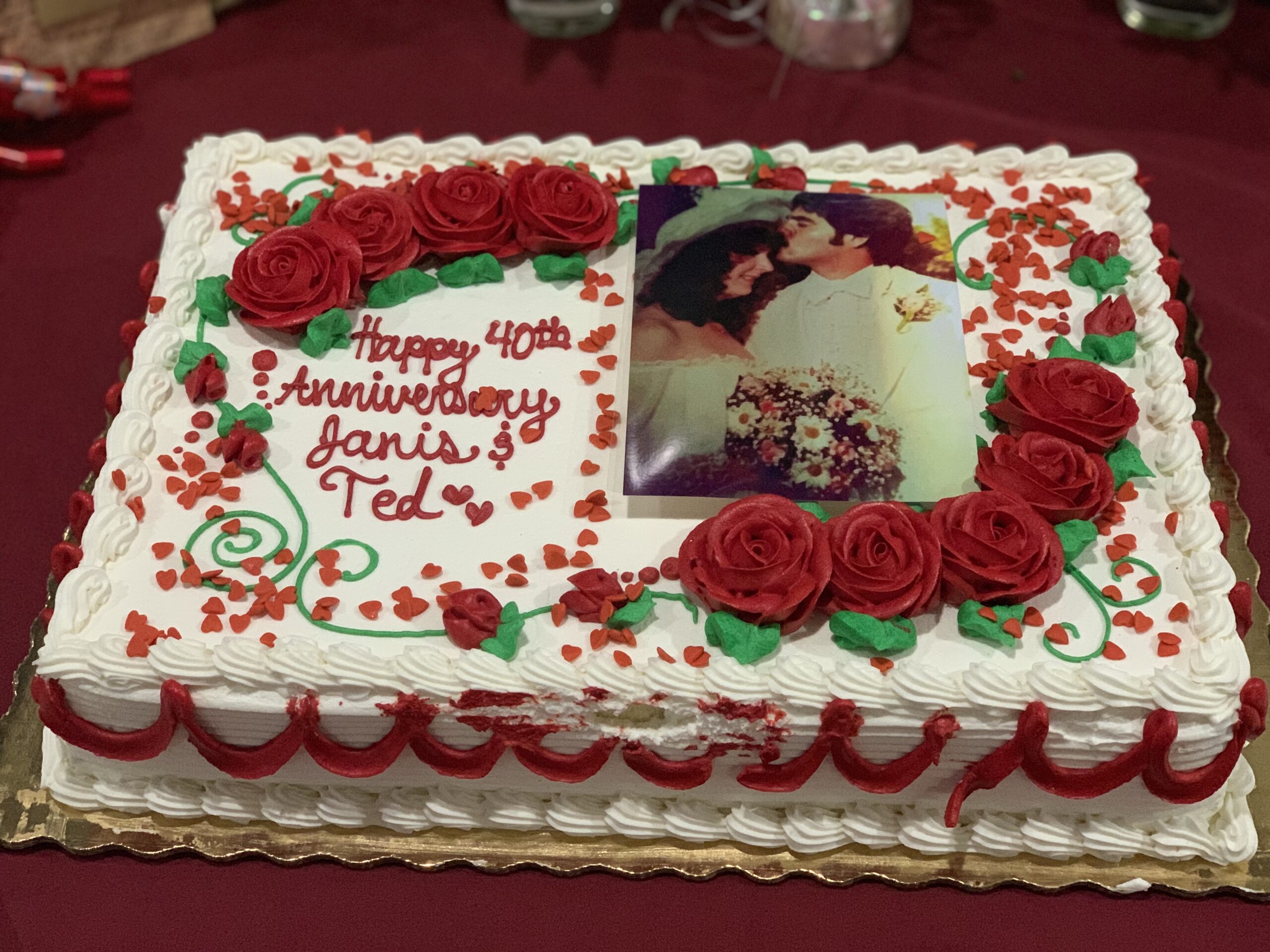
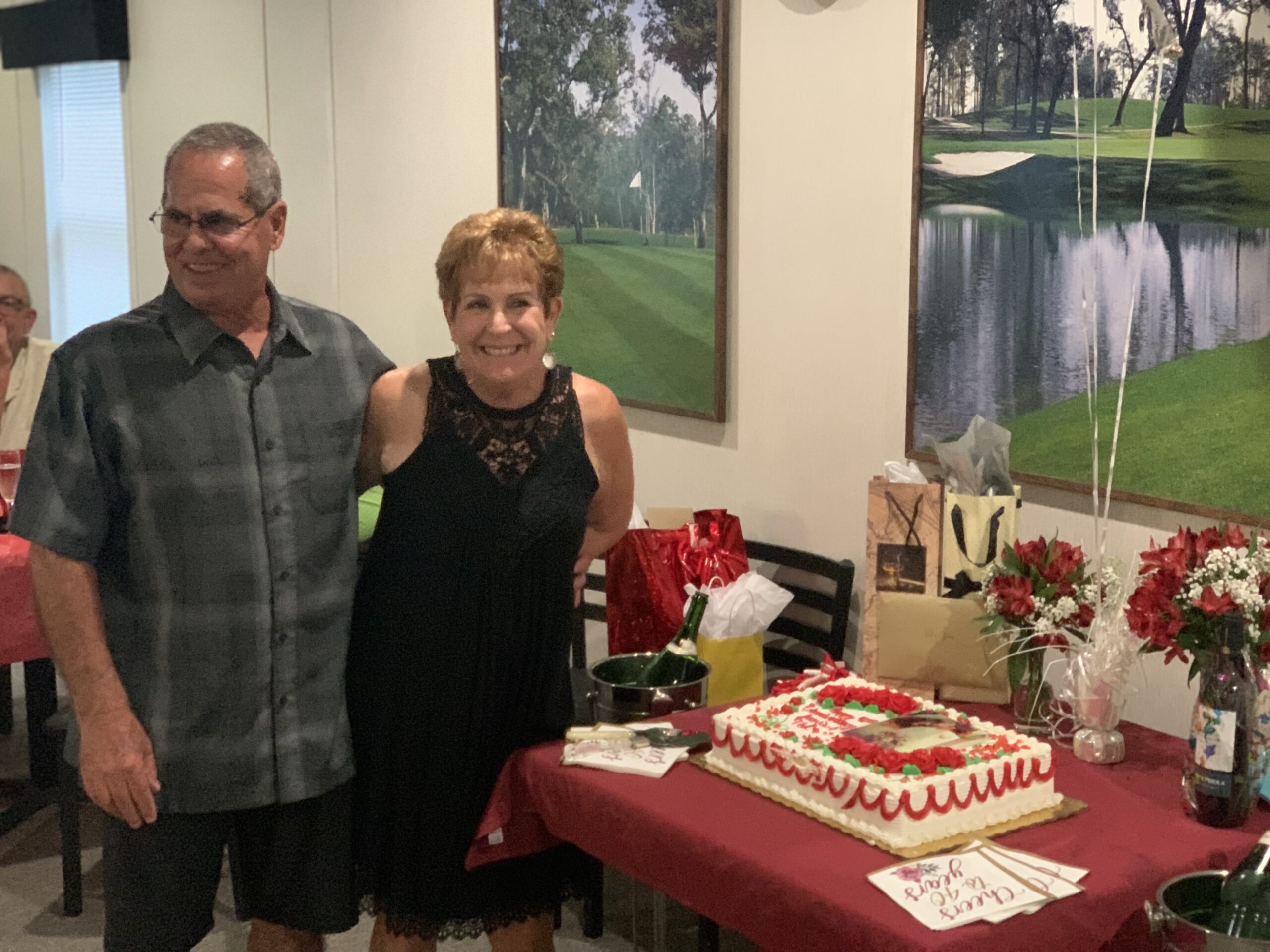
In August 2020, just one month before the accident, I threw my parents a surprise party for their 40th wedding anniversary.
Friends and family came in from all over. I flew in too, and my parents thought that was the surprise. They had no idea there was actually a party waiting for them at the country club in their neighborhood. To throw them off, family friends even pretended there was an engagement to celebrate, too.
When my parents walked through those doors and realized what was happening, they were completely shocked—the most surprised I had ever seen them. At the time, people kept asking me, “Why throw a 40th anniversary party? Why not wait until 50?”
I didn’t have an answer then. I do now. That was the last time many of my dad’s closest friends and family saw him. Without it, he might have died without seeing some of the people he loved most for years. I will always be grateful I didn’t wait.
A month later, everything changed.
On September 19, 2020, I was in Northern California getting ready for a baby shower for one of my childhood best friends when my phone kept ringing from numbers I didn’t recognize. I ignored the calls for about 20 minutes, assuming they were spam. When I finally answered, it was the Florida Highway Patrol. They told me both of my parents had been in a potentially fatal motorcycle accident and that I needed to come right away. Both of them were unconscious in the ER.
At the time, I was living in California, and my parents were in Florida. I’m an only child. I immediately called my aunt, my mom’s younger sister, and we booked two red-eye flights. We arrived in Florida the next morning. When we got to the hospital, doctors told me my mom was not expected to survive, but that my dad likely would.
The next day, everything changed again.
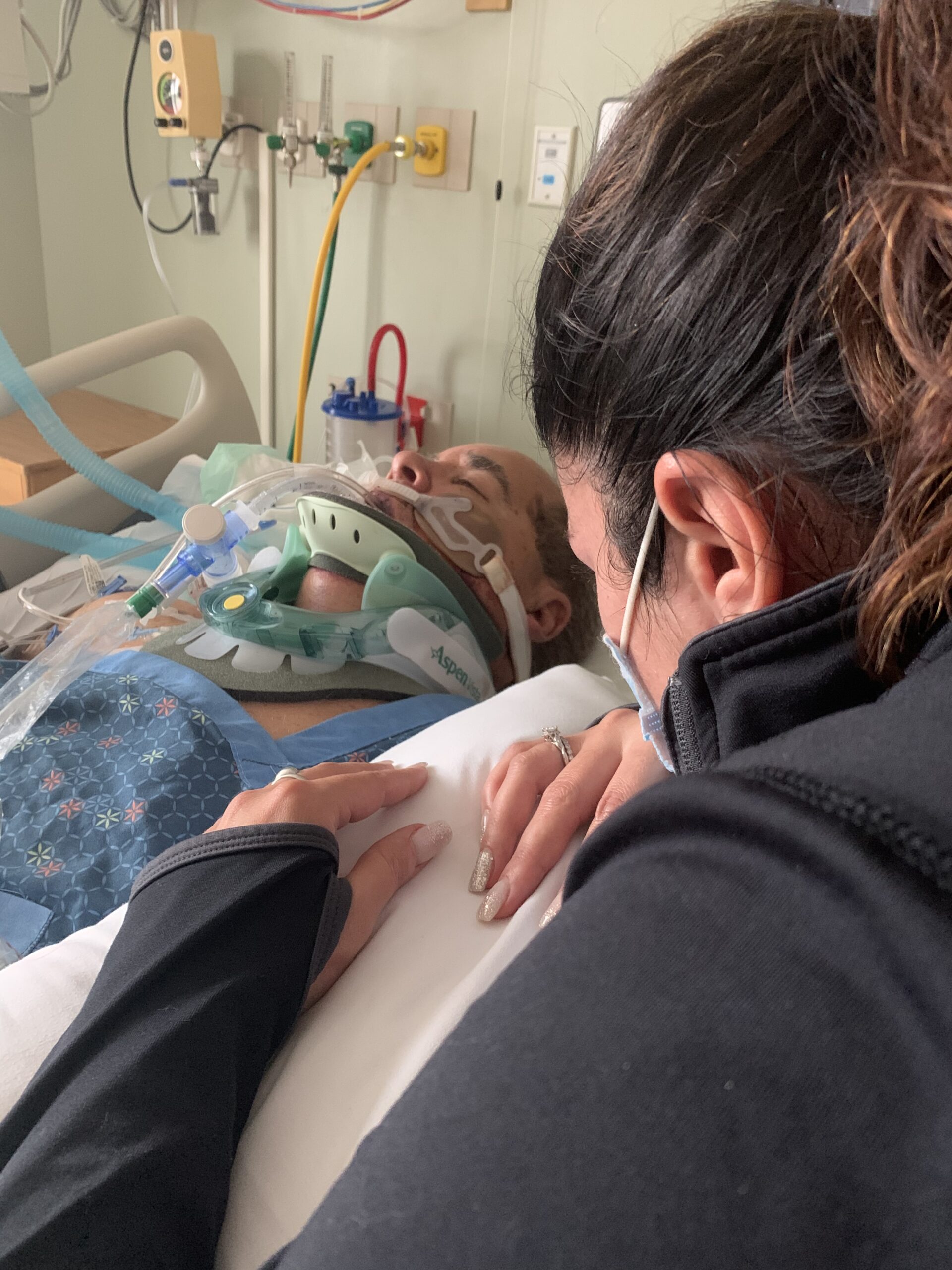
My mom had survived, but her injuries were catastrophic. She had a traumatic brain injury, a broken collarbone, a broken arm, severe facial trauma, and road rash across her arms, legs, and face. The left side of her face was shattered. Her eye had been ripped open from the lower lid to her forehead. My dad’s injuries were also devastating. The back of his head had swollen so badly that he had almost no brain activity, even though he looked relatively normal at first because the damage was hidden by the pillow beneath him. Both of his arms were broken, and he was paralyzed from the neck down.
The hospital kept scheduling surgeries for his arms, and I kept canceling them. I could not understand why they were trying to repair broken bones in someone whose brain was no longer functioning in any meaningful way. For days, I received conflicting information. On day seven, the surgical team sat me down and told me it was time.
But I already knew.
I had my dad’s living will, and I knew exactly what he wanted. He did not want to spend the rest of his life in a bed, attached to machines, with a feeding tube and a tracheotomy, hoping for a recovery that might never come. My dad was vibrant and full of life. He loved hard. He was emotional, strong, steady—everything a daughter could ever need in a father. I was not ready to let him go, but I also did not want him to suffer.
The next day, my aunt and I let him go.
That evening was the first time I had slept in seven days.
Meanwhile, my mom was in the ICU with severe post-traumatic amnesia. She did not know who I was, where she was, or what had happened. She did not get to say goodbye to my dad because she was too injured to understand what was happening around her. We could not tell her that he had died while she was still in post-traumatic amnesia, because the page in her brain turned every few seconds. If I had told her then, I would have had to break her heart over and over again every time she asked where he was.
So I lied.
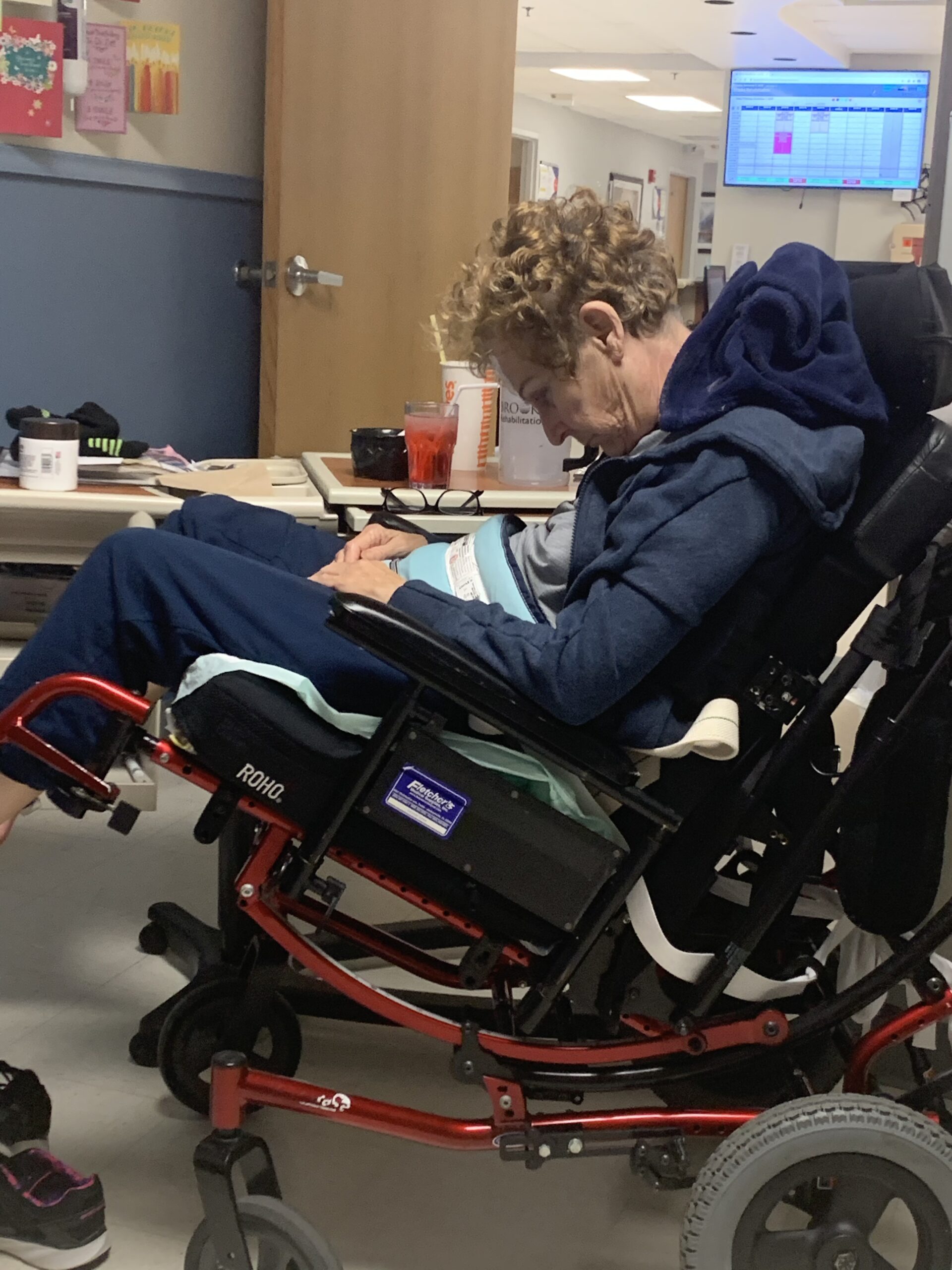
I told her his injuries were different from hers and that he had to go to a different kind of hospital. That explanation worked for four months because her brain could not hold onto the truth long enough for it to make sense. After the ICU, I moved her to a rehabilitation hospital in Jacksonville with a brain injury unit. My aunt stayed long enough to help me get her settled, but then she had to return home because she was afraid she would lose her job. After that, it was just me.
Thankfully, the hospital had an on-site hotel where I could stay for $40 per night for five nights a week. I stayed there every night except weekends, when visitors were required to leave.
My mom was only receiving about one hour of therapy a day. One hour. For someone with a traumatic brain injury as severe as hers, it felt impossible that it could be enough. Every Tuesday, her medical team would meet and decide she needed to go home because, in their words, she was not going to get better. Every week, I had to sit there and listen to the head of the brain injury unit give up on my mother. Every week, I fought back. I called the insurance company myself, and they told me they were not planning to stop paying. In fact, they assigned me a case worker to help make sure the hospital did not discharge her while she was still in post-traumatic amnesia.
What I learned during that time is that traumatic brain injury recovery is not neat, fast, or linear. It is messy. It is repetitive. It is exhausting. And one of the most dangerous parts of that process is how quickly people begin to conclude that no further progress is possible. But progress was happening, even when it was slow.
After four months, my mom came out of post-traumatic amnesia. After four months, she knew who I was. After four months, I thought she was back—or at least I hoped she was.
In the two weeks before that happened, there had been a major COVID outbreak at the rehab hospital, and visitors were no longer allowed. So I sat alone in my parents’ house and cried in the home our family had once shared.
Then one morning, the doorbell rang.
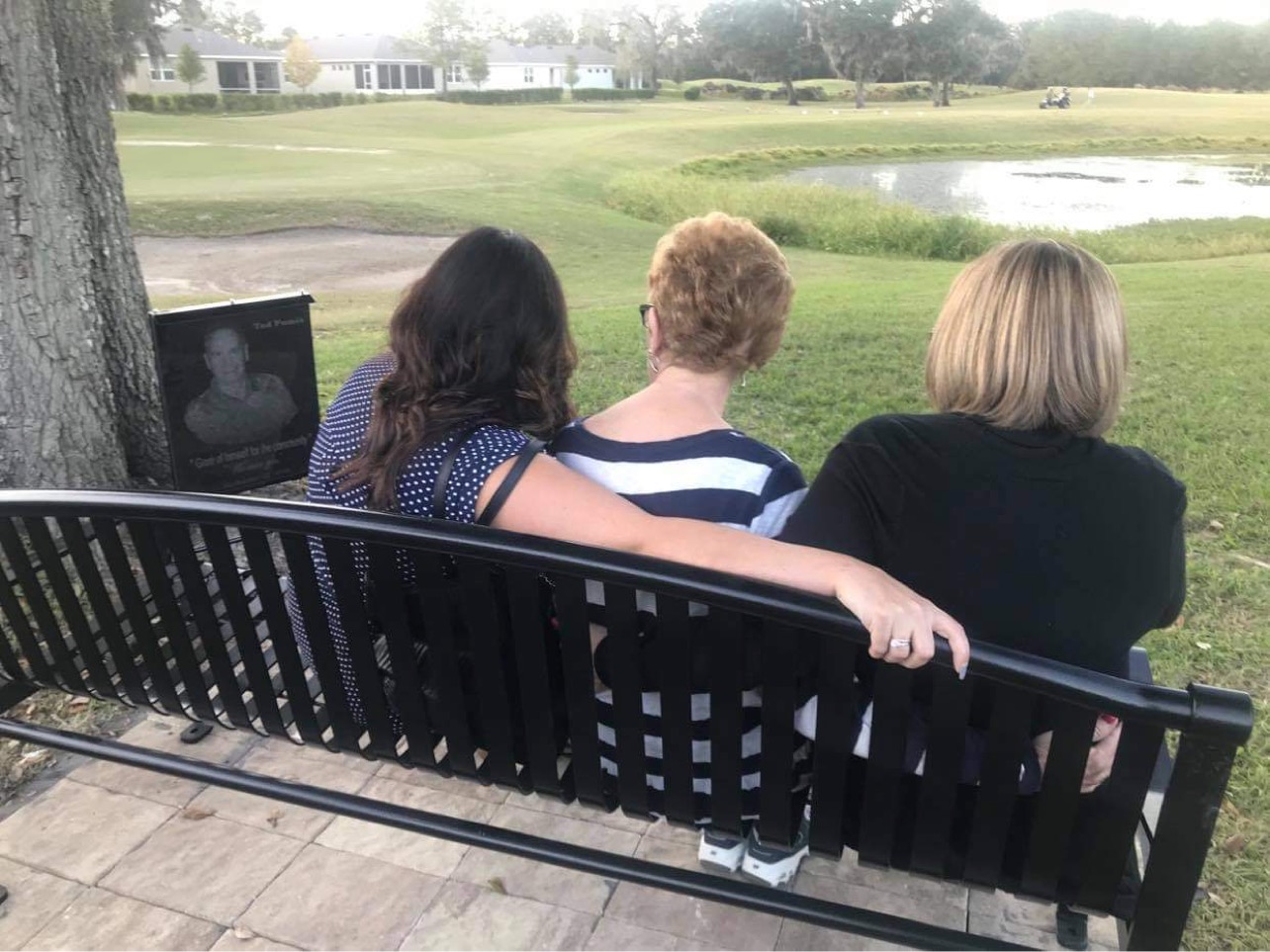
A postal worker stood there holding a box that required my signature. The label said “human remains.” I signed, grabbed the box, shut the door, and fell to my knees. My dad was in that box. All 69 years of his life had been reduced to an 8-pound urn. That was the moment I finally cried. Through all of it—the accident, the hospital, the ICU, the loss, the fear—I had not cried once, because I had to stay strong for my mom.
When the COVID ban was lifted and the hospital was cleared, I went back to see her. I rode the elevator up to the brain injury unit and saw her walking. Before that, they had used a strap around her to prevent her from falling. She was now walking on her own, with a physical therapist behind her. She saw me, and her face lit up. “Where have you been?” she asked. And I knew. I could tell by the way she was speaking. She was back. This was the woman four doctors had told me would never drive again, never handle household chores, never even balance a checkbook. And there she was, standing in front of me, speaking clearly, walking on her own. I ran to her and cried, and she had no idea why.
I had been afraid of that moment for a long time. I had spoken to the psych team ahead of time because I knew the day would come when she would be aware enough to understand what had happened.
We went back into her room and sat down. She started telling me about things she thought had happened over the previous two weeks. Because I had been calling her 3 times a day, I knew some of it wasn’t real. Her brain was still trying to fill in gaps and make sense of the time she could not fully remember. Then she looked me straight in the face and asked where my dad was. I froze. For four months, I had protected her with the lie that his injuries were different and that he had to go to a different hospital. But I knew it wouldn’t work anymore. So I took a deep breath and told her the truth. I told her Daddy didn’t make it. I told her exactly what happened. Then there was a long silence. And then she told me she knew. She said she could feel it.
She did not cry. She just looked scared. Terrified, really. Her life partner of 40 years was gone, and she had never gotten to say goodbye. Once I told her everything, I handed her a notebook. I had been writing in that journal every single night so she would not miss anything. I needed her to have something real to return to when her memory failed, when she had questions, and when she needed help piecing together what had happened.
Eventually, I brought her home.
We met with a Medicare broker and found a PPO plan that allows her to see any provider she wants without referrals. That gave me the flexibility to take her to one of the best neurosurgeons on the East Coast and get her the best therapy possible. We attended physical, occupational, and speech therapy 3 days a week. She needed all of it. Even after the post-traumatic amnesia ended, the brain injury remained. There were moments when she would look at me, and I could tell instantly that she had no idea what was going on. The amnesia might have been over, but the injury was not. We just had to figure out what our new normal would look like. Recovery did not mean becoming exactly who she was before. It meant building a life around what was still possible and refusing to stop there.
And six years later, here we are. I am back to working full-time. I’m engaged. I have three stepchildren. And my mom is walking, talking, driving, golfing, playing Mexican Train with her friends every week, and handling all of the household finances. If I had listened to the rehab doctor who said she was not going to get better, she would not be here living this life.
That is why I am sharing this. Because therapy works. It gets a bad reputation because people give up on it too soon, because progress is slow, or because improvements do not always look dramatic right away. But therapy works. Stick with it. Embrace it. Do the exercises at home. Do everything you can to support the process, even when it feels repetitive, frustrating, or impossibly slow.
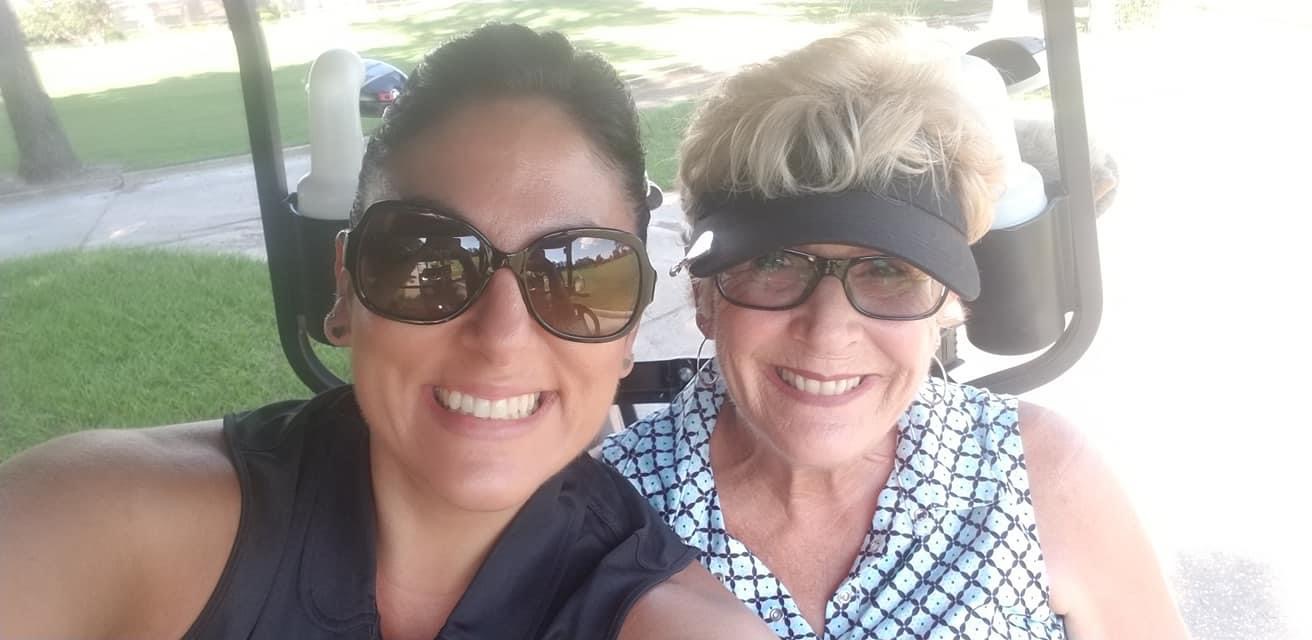
My mom is my miracle. She should not be here today, but she is. She is here because I did not give up on her. She is here because I would not settle for mediocre care. She is here because she deserved the best, and I fought to find the best.
She is not just my miracle—she is my why.
I work in Medicare marketing because while I was helping my mother recover, I saw the healthcare disparities that impact people who do not have anyone to help them. I saw what happens when patients lack an advocate. I saw how easy it is for people to be underestimated, dismissed, or quietly written off. Now I wake up every day with purpose. I go to work for her and for people like her. My mom will never be exactly who she was before, and her heart will always be broken. She lost her best friend, the man who promised to take care of her, and that grief will never fully leave her. But she is going to live a very full life until her last breath.
That is my commitment to her and to myself. And if you are reading this while loving someone through a traumatic brain injury, I want you to hear me:
Do not give up too soon.
Do not let slow progress fool you into thinking nothing is happening.
Do not let anyone else decide too early what your loved one is capable of.
Brains can heal. People can surprise you. Progress can take a long time to materialize.
My mother is living proof.