
 4.8 Google Rating out of 7K Reviews
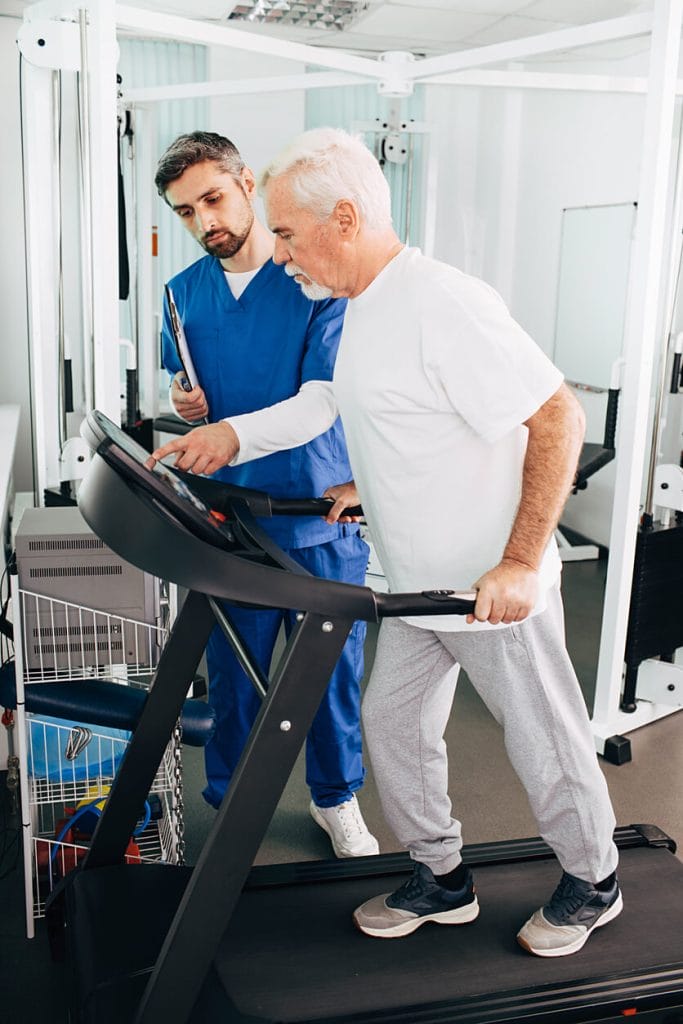
Falls represent one of the most serious health concerns facing seniors today. Physical therapy for elderly patients provides evidence-based solutions that dramatically reduce fall risk while improving overall quality of life. These specialized programs focus on addressing the underlying physical factors that contribute to falls, helping seniors maintain their independence safely.
In this blog, we will explore how physical therapy for elderly patients can help seniors maintain their independence safely. This includes the following:
- Reduced fall risk – Physical therapy decreases fall incidents by up to 37% in seniors.
- Enhanced balance – Targeted exercises improve stability and coordination significantly.
- Increased strength – Muscle strengthening programs help maintain independence and mobility.
Understanding Fall Risk in Seniors
According to the CDC, falls affect one in four adults ages 65 and over each year. The consequences extend far beyond physical injury, often leading to reduced confidence, decreased activity levels, and loss of independence. Multiple factors contribute to increased fall risk, including muscle weakness, balance problems, medication side effects, and vision changes.
Physical therapy addresses these risk factors systematically. Licensed physical therapists conduct comprehensive assessments to identify specific areas of concern for each individual patient.
How Physical Therapy Reduces Fall Risk
Physical therapy for elderly patients targets the root causes of falls through evidence-based interventions.
A study published in the Journal of the American Geriatrics Society found that structured physical therapy programs reduced fall rates in community-dwelling seniors. This research demonstrates the significant impact targeted interventions can have on fall prevention.
Strength Training Benefits
Muscle weakness, particularly in the legs and core, significantly increases fall risk. Physical therapists design progressive strength training programs that safely build muscle mass and power. These exercises focus on functional movements that translate directly to daily activities.
Key muscle groups targeted include:
- Quadriceps and hamstrings – Support knee stability during walking.
- Hip muscles – Maintain pelvic alignment and prevent lateral falls.
- Core muscles – Provide central stability for all movement.
- Ankle muscles – Enable proper foot positioning and push-off.
Balance and Coordination Training
Balance training forms the cornerstone of fall prevention programs. Physical therapists use various techniques to challenge and improve the body’s balance systems. These interventions help seniors respond more effectively to unexpected balance disruptions.
Effective balance training includes static exercises, dynamic movements, and sensory integration activities. Patients progress from simple standing exercises to complex multi-tasking activities that mirror real-world challenges.
Gait Training and Mobility Enhancement
Walking patterns change naturally with age, but some changes increase fall risk unnecessarily. Physical therapists analyze gait patterns and identify problematic movement compensations. Through targeted interventions, patients learn safer, more efficient walking strategies.
Gait training addresses:
- Step length and timing – Ensures adequate foot clearance.
- Weight shifting – Improves lateral stability during walking.
- Arm swing coordination – Enhances overall balance during movement.
- Turning techniques – Reduces risk during directional changes.
Evidence-Based Outcomes in Fall Prevention
Research consistently supports the effectiveness of physical therapy in preventing falls.
A comprehensive study published in the Cochrane Database of Systematic Reviews analyzed data from over 50 trials involving more than 12,981 participants. The findings showed that balance exercise programs, particularly those supervised by physical therapists, reduced fall rates by 23%.
These programs prove most effective when they include multiple components addressing strength, balance, and functional mobility. The best physical therapy will offer comprehensive programs that incorporate all these elements.
How Long Does It Take to See Results From Physical Therapy?
Most elderly patients begin noticing improvements within 4-6 weeks of consistent physical therapy. However, maximum benefits typically occur after 8-12 weeks of regular participation.
Early improvements often include:
- Better confidence during walking
- Reduced fear of falling
- Improved ability to recover from small stumbles
- Enhanced strength during daily activities
Continued participation leads to more substantial gains in strength, balance, and overall mobility. Many patients report feeling more secure and independent after completing a comprehensive fall prevention program.
Who Should Consider Physical Therapy for Fall Prevention?
Any senior concerned about falling can benefit from physical therapy evaluation. However, certain individuals have higher priority for intervention.
Consider physical therapy if you have:
- History of falls – Previous falls indicate significant risk.
- Balance problems – Difficulty with standing or walking.
- Muscle weakness – Trouble rising from chairs or climbing stairs.
- Fear of falling – Anxiety that limits daily activities.
- Medication side effects – Dizziness or drowsiness from prescriptions.
Healthcare providers, including geriatric doctors accepting new patients, often recommend physical therapy as a first-line intervention for fall prevention.
What Should You Look for in a Physical Therapy Program?
Not all physical therapy programs are created equal. Look for therapists with specific experience in geriatric care and fall prevention.
Quality programs include:
- Comprehensive assessment – Thorough evaluation of fall risk factors
- Individualized treatment plans – Exercises tailored to specific needs
- Home exercise programs – Continuation of therapy between sessions
- Environmental recommendations – Suggestions for safer home modifications
- Progress monitoring – Regular reassessment and program adjustments
When searching for the best physical therapy provider near you, ask about experience with elderly patients and fall prevention protocols.
Physical Therapy for Elderly Patients in South and Central Florida
Fall prevention through physical therapy for elderly patients offers proven benefits that extend far beyond injury prevention. These programs help maintain independence, improve confidence, and enhance overall quality of life. The evidence clearly demonstrates that structured interventions can significantly reduce fall risk while improving functional capacity.
At Palm Medical Centers, we offer specialized physical therapy services for our elderly patients, designed to address specific age-related challenges and improve overall health. Our team of skilled therapists is dedicated to providing personalized care, ensuring that each patient receives the attention they need to achieve their goals.
Contact us today at (833) 500-PALM (7256) to learn about our physical therapy services for the elderly and take the first step toward safer, more confident mobility. You can also schedule a tour of your preferred site.







Leave a Reply