
 4.8 Google Rating out of 7K Reviews
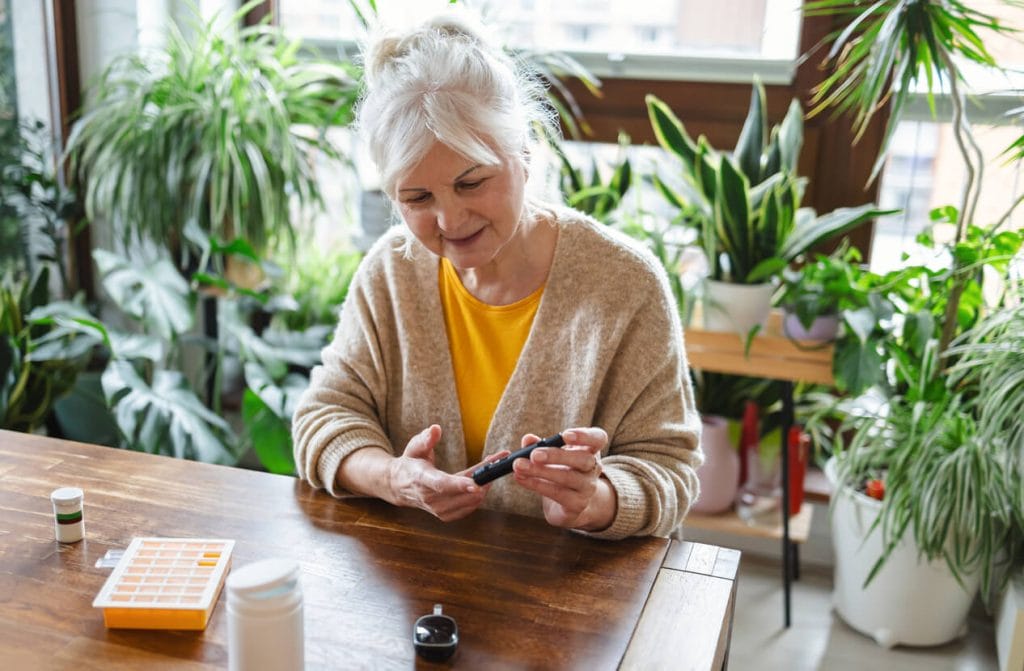
Managing diabetes becomes more complex as we age. Older adults face unique challenges that require specialized approaches to treatment. Diabetes treatment in elderly patients must account for multiple health conditions, changing body functions, and different lifestyle needs.
About 29.2% of adults ages 65 and older have diabetes, according to the Centers for Disease Control and Prevention. This makes understanding proper treatment approaches crucial for millions of seniors and their families.
This guide explains the three main pillars of diabetes treatment in elderly patients. You will learn about medication options, dietary strategies, and lifestyle changes that work best for older adults.
Understanding Diabetes in Older Adults
Diabetes affects elderly patients differently than younger people. Age-related changes in the body make blood sugar control more challenging. The kidneys process medications more slowly. The digestive system absorbs nutrients differently.
Many seniors also manage multiple health conditions alongside diabetes. Heart disease, high blood pressure, and kidney problems are common. These conditions influence how doctors approach diabetes treatment in elderly patients.
The goals of treatment may also differ for older adults. Rather than achieving very tight blood sugar control, doctors often focus on preventing severe complications while maintaining quality of life.
Medication Management for Elderly Diabetics
Medication forms the foundation of diabetes treatment in elderly patients. However, choosing the right medications requires careful consideration of age-related factors.
Metformin as First-Line Treatment
Metformin (Glucophage) remains the preferred starting medication for most elderly diabetics. This medication helps the body use insulin more effectively. It rarely causes dangerously low blood sugar levels.
Doctors monitor kidney function closely when prescribing metformin. As kidney function declines with age, the dosage may need adjustment. Some patients may need to discontinue metformin if kidney problems develop.
Insulin Therapy Considerations
Many elderly patients eventually require insulin therapy. Type 1 diabetics need insulin from diagnosis. Type 2 diabetics may need insulin as their condition progresses.
Long-acting insulin like glargine (Lantus) or detemir (Levemir) provides steady blood sugar control. Rapid-acting insulin such as lispro (Humalog) or aspart (NovoLog) helps manage blood sugar spikes after meals.
Elderly patients face unique challenges with insulin therapy. Vision problems can make reading syringes difficult. Arthritis may affect the ability to inject insulin. Memory issues can lead to missed doses or double-dosing.
Alternative Medication Options
Several newer medication classes offer benefits for elderly diabetics. DPP-4 inhibitors like sitagliptin (Januvia) have a low risk of causing low blood sugar. GLP-1 agonists such as liraglutide (Victoza) may help with weight management.
SGLT-2 inhibitors like empagliflozin (Jardiance) can provide heart and kidney benefits. However, these medications increase infection risk and may cause dehydration in elderly patients.
Dietary Strategies for Senior Diabetics
Proper nutrition plays a crucial role in diabetes treatment in elderly patients. Age-related changes in appetite, digestion, and food preferences require specialized dietary approaches.
Carbohydrate Management
Controlling carbohydrate intake helps manage blood sugar levels. Elderly diabetics should focus on complex carbohydrates that provide steady energy. Whole grains, vegetables, and legumes are excellent choices.
Portion control becomes especially important with age. Smaller, more frequent meals can help prevent blood sugar spikes. This approach also accommodates decreased appetite, common in older adults.
Protein Requirements
Elderly diabetics need adequate protein to maintain muscle mass. Age-related muscle loss, called sarcopenia, affects many seniors. Protein helps preserve strength and mobility.
Lean meats, fish, eggs, and dairy products provide high-quality protein. Plant-based options like beans and nuts also contribute valuable protein and fiber.
Hydration Needs
Proper hydration supports kidney function and helps prevent complications. Elderly people often have decreased thirst sensation. This makes conscious effort to drink fluids important.
Water is the best choice for hydration. Sugary drinks should be limited or avoided.
Lifestyle Modifications for Elderly Diabetics
Lifestyle changes complement medication and diet in diabetes treatment in elderly patients. These modifications can significantly improve blood sugar control and overall health.
Exercise Recommendations
Regular physical activity helps control blood sugar and improves overall health. The study has shown that structured exercise programs improved glycemic control in diabetics by an average of 0.5% in HbA1c levels.
Walking is a safe and effective exercise for seniors. Start with short distances and gradually increase duration to at least 150 minutes per week.
Resistance training helps maintain muscle mass and bone density. Light weights or resistance bands can be used safely by most elderly patients. Chair exercises provide options for those with mobility limitations.
Blood Sugar Monitoring
Regular blood sugar monitoring helps track treatment effectiveness. Elderly patients may need assistance with glucose meters due to vision or dexterity issues.
Continuous glucose monitors offer an alternative for some patients. These devices provide real-time blood sugar readings without frequent finger pricks. However, they require periodic calibration with traditional meters.
Stress Management
Chronic stress can worsen blood sugar control. Elderly diabetics often face multiple stressors, including health concerns, financial worries, and social isolation.
Relaxation techniques like deep breathing and meditation can help manage stress. Social activities and hobbies provide mental stimulation and emotional support. Regular sleep schedules also support better blood sugar control.
Diabetes Treatment for the Elderly in Central and South Florida
Effective diabetes treatment in elderly patients requires a comprehensive approach combining medication, diet, and lifestyle changes. Working with experienced healthcare providers ensures treatment plans meet individual needs and circumstances.
If you or a loved one need expert diabetes care, Palm Medical Centers provides comprehensive diabetes management services. Our experienced healthcare team understands the unique challenges facing elderly diabetics.
Contact Palm Medical Centers today at (833) 500-PALM (7256) to schedule a consultation and develop a personalized treatment plan that fits your specific needs and lifestyle. You can also visit our patient portal for further information. We look forward to serving you!







Leave a Reply