
 4.8 Google Rating out of 7K Reviews
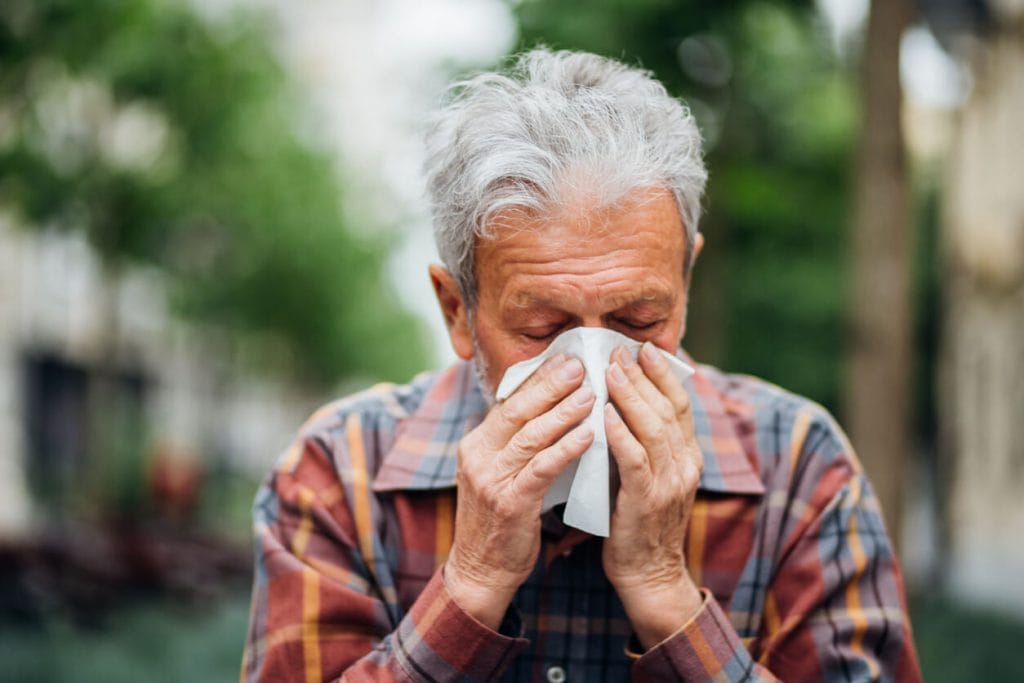
Pneumonia is one of the most common illnesses affecting seniors. Unfortunately, it is often underestimated, leading to severe health complications. When it comes to pneumonia treatment for elderly individuals, recognizing symptoms and seeking medical help early can make all the difference.
This blog will explain why quick pneumonia treatment for elderly is so important and how you can take steps to protect your health.
What is Pneumonia?
Pneumonia is a type of lung infection caused by bacteria, viruses, or fungi. It causes inflammation in the air sacs of one or both lungs, which can fill with pus or fluid.
Symptoms include difficulty breathing, coughing, fever, and fatigue. While anyone can develop pneumonia, it is especially dangerous for seniors due to weaker immune systems, existing health issues, or limited mobility.
Timely pneumonia treatment for elderly patients is essential to reduce the risk of complications, such as organ failure or hospitalization.
Why is Pneumonia Especially Dangerous for Seniors?
For older adults, pneumonia can lead to severe complications due to several underlying factors. Understanding these risks highlights the importance of early detection and treatment to prevent life-threatening outcomes.
Weakened Immune Systems
Aging diminishes immune system efficiency, a condition known as immunosenescence. This makes seniors more susceptible to respiratory infections like pneumonia, as their bodies are less capable of mounting a strong defense against pathogens.
Chronic Conditions
Many older individuals have chronic health conditions such as chronic obstructive pulmonary disease (COPD), heart disease, diabetes, or kidney disease.
These comorbidities not only increase the likelihood of developing pneumonia but also complicate recovery due to impaired lung function, circulatory challenges, or weakened metabolic responses.
Delayed or Atypical Symptoms
Pneumonia symptoms in seniors often present atypically. Instead of the classic fever and cough, older adults may experience confusion, lethargy, or worsening of pre-existing conditions.
These subtle signs can delay diagnosis and treatment, increasing the risk of advanced infection and complications such as sepsis or respiratory failure.
Early recognition and intervention are critical in reducing the risks of pneumonia in older adults, making routine vaccinations and proactive healthcare measures essential.
Benefits of Early Pneumonia Treatment for Elderly Patients
Timely treatment of pneumonia in elderly patients is critical, as their immune systems are often weaker, making them more vulnerable to severe complications. Early intervention not only enhances recovery but also minimizes the risk of life-threatening outcomes.
Here are the key medical benefits of acting promptly:
Faster Recovery Times
Immediate treatment with appropriate antibiotics or antivirals can help control the infection before it progresses. This reduces the intensity of symptoms such as fever, shortness of breath, and fatigue, leading to quicker recovery and less strain on the body.
Reduced Risk of Hospitalization
Elderly patients are more susceptible to complications like sepsis, acute respiratory distress syndrome (ARDS), or pleural effusion when pneumonia progresses.
Early treatment helps prevent these complications, reducing the likelihood of requiring intensive hospital care and mechanical ventilation, which often carry additional risks like infections or prolonged immobility.
Lower Mortality Rate
Pneumonia is one of the leading causes of death among seniors, according to the Centers for Disease Control and Prevention (CDC). Early recognition of symptoms such as persistent cough, confusion, or rapid breathing, followed by timely medical intervention, significantly improves survival rates.
Vaccinations and preventive measures, alongside prompt treatment, can also lower mortality associated with pneumonia.
Prioritizing early detection and management is essential to ensure better health outcomes for elderly patients.
Steps to Ensure Early Pneumonia Treatment for Elderly Patients
Acting quickly is key when it comes to pneumonia. Follow these practical steps to help elderly loved ones receive timely treatment.
1. Know the Warning Signs
Common symptoms to look for include the following:
- Persistent coughing
- Shortness of breath
- Chest pain, especially during breathing or coughing
- Fever and chills
If the patient shows any signs of confusion or fatigue, this could also indicate pneumonia in elderly individuals.
2. See a Doctor Immediately
Do not delay seeking professional medical advice. A primary care doctor can provide the necessary treatment for pneumonia.
3. Follow the Treatment Plan
Doctors at a medical clinic, like Palm Medical Centers, commonly prescribe antibiotics to treat bacterial pneumonia. For viruses, they may recommend antivirals or supportive care.
Make sure to follow the prescribed treatment and attend all follow-up appointments.
4. Prevent Pneumonia with Vaccines
Vaccinations are highly effective in preventing pneumonia caused by certain bacteria or viruses. Seniors should ask their primary care providers about the pneumococcal vaccine and annual flu shots.
5. Build a Stronger Immune System
Encourage a lifestyle that supports overall health, including a balanced diet, regular physical activity, and proper sleep. These steps can help seniors reduce their pneumonia risk.
Pneumonia Treatment for the Elderly in Central and South Florida
At Palm Medical Centers, we prioritize your health and well-being. Our primary care doctors are experienced in addressing the needs of elderly patients and specialize in identifying and treating conditions like pneumonia early.
We offer personalized care plans, on-site vaccinations, and a welcoming environment for seniors. Our primary care providers truly “listen” to you with compassion and offer top-notch care.
Contact Palm Medical Centers today at (833) 500-PALM (7256) to schedule your appointment or visit our patient portal. Your health is our top priority.







Leave a Reply